Bottle capping machine hire
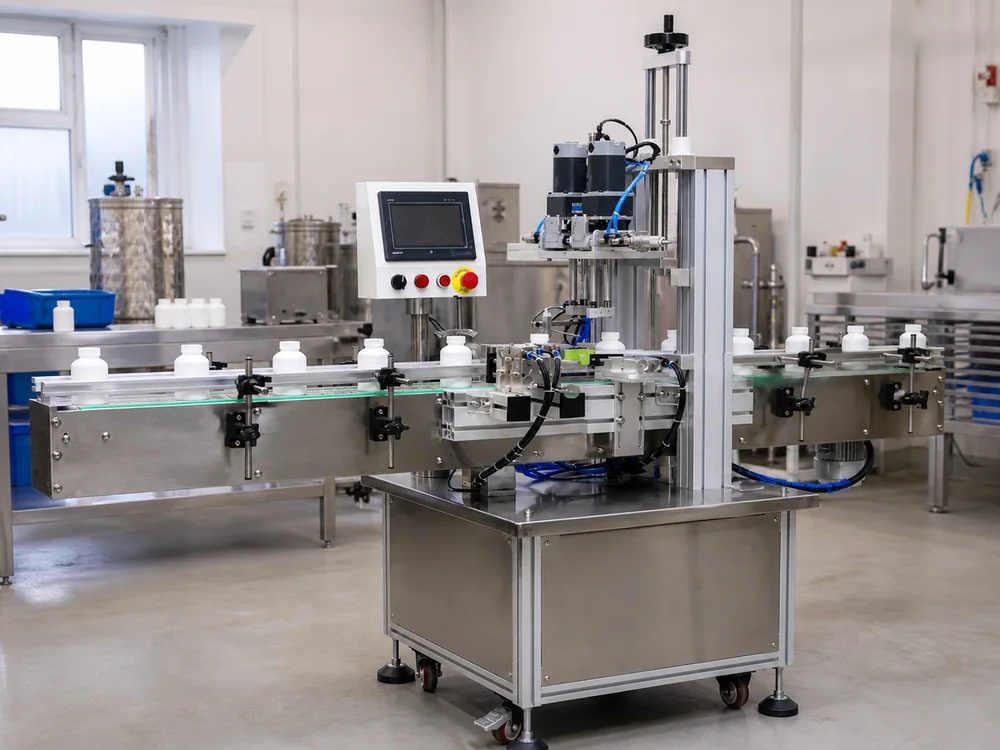
Assess closure application for stable plastic or glass bottles, including how containers enter, stand and transfer through the process.
UK equipment rental
Rent temporary closure-application equipment matched to cap geometry, container handling, torque, output and the surrounding production process.
Check capping equipment availabilityDirect answer
Capping machine hire provides temporary equipment to place, tighten or secure compatible closures on bottles, jars and other containers. It may support a product launch, short contract, production peak, line trial or temporary breakdown cover.
Fit matters: two caps that look similar may behave differently. Thread, neck finish, cap rigidity, torque, tamper-evident features and container stability all affect the solution.
Send cap and container samples or dimensioned drawings, the required torque or closure result, target speed, current line arrangement and production dates.
Capping applications
Assess closure application for stable plastic or glass bottles, including how containers enter, stand and transfer through the process.
Wider containers and closures may need different handling, pressure and stabilisation than conventional bottle formats.
Thread engagement, applied torque, cap material and neck finish need to produce a repeatable closure without damage.
Operator-fed equipment may suit trials, short campaigns, lower output and packs that do not justify automatic cap feeding.
Conveyor-fed production needs controlled spacing, container stability, compatible line speed and safe machine interfaces.
Automatic feeding may require cap orientation and geometry to be assessed; manual presentation can be more suitable for some projects.
Closure compatibility
Production continuity
The capping stage should be assessed against upstream filling and downstream labelling or inspection. Line balance, accumulation, container spacing and changeovers can matter as much as the cap itself.
For a combined project, consider an integrated packaging line hire assessment rather than treating each machine in isolation.
Discuss a capping application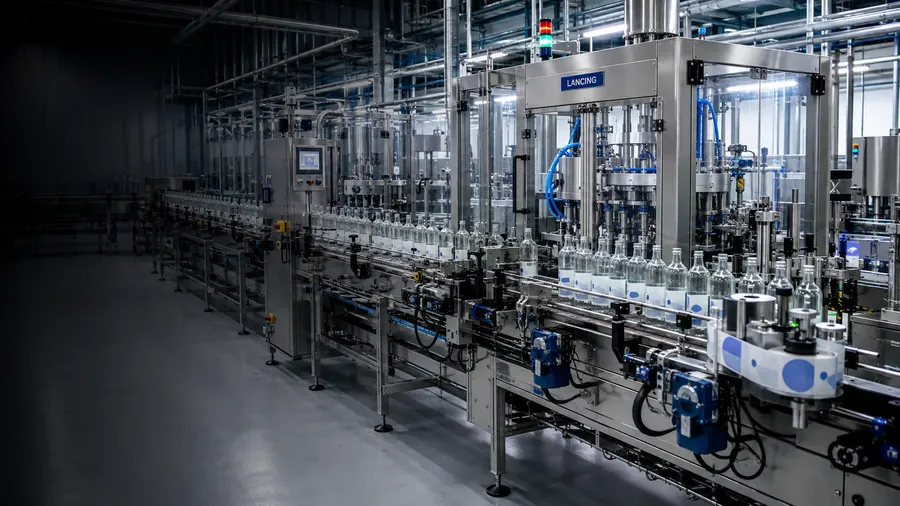
Capping rental questions
Potential applications include screw caps and selected bottle, jar or container closures. Cap geometry, neck finish, torque, tamper evidence and feeding method must be reviewed.
Some applications may suit operator-fed or standalone capping, while others require conveyor integration. The right arrangement depends on output, container handling and available equipment.
Provide cap and container samples or drawings, closure dimensions, torque requirement, output, feeding preference, line details, site utilities, location and required dates.
Possibly, but each cap and container combination needs to be reviewed. Change parts, adjustments, feeding equipment and the available operating range determine whether a multi-format project is practical.
Check closure fit
Send cap, container, torque, output, line and date information.